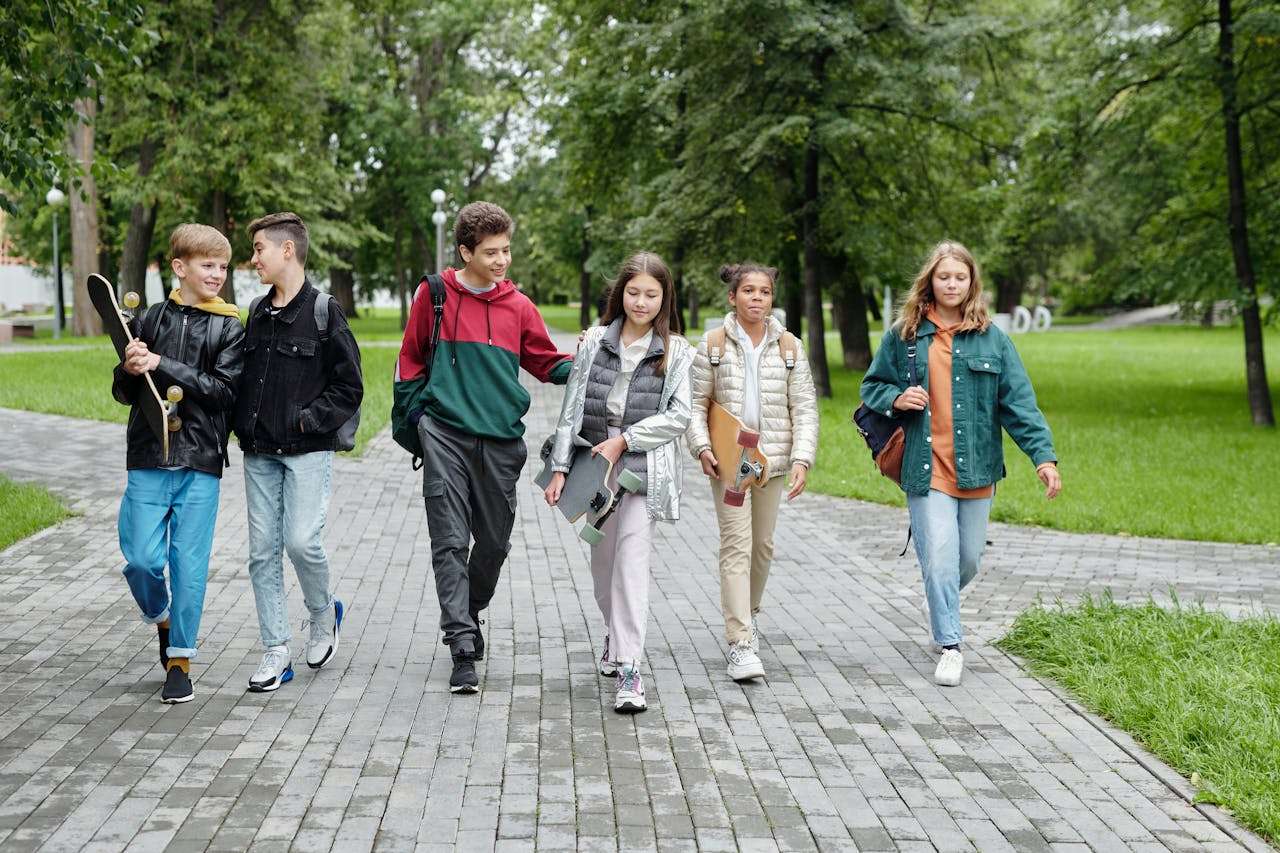
How to improve social skills for teenagers is an important question for anyone who wants to become more confident, communicate better, and build healthier relationships. During the teenage years, you are constantly learning how to interact with classmates, friends, teachers, family members, and new people. Developing strong social skills can make these interactions easier and help you feel more comfortable in different situations.
Being a teenager can feel confusing. You are trying to understand yourself, make friends, communicate with people, deal with school or career pressure, and figure out what you want from life—all while your confidence and personality are still developing.
One skill can make many of these challenges easier: social skills.
Good social skills help teenagers communicate clearly, build meaningful friendships, handle disagreements, understand other people, and feel more comfortable in social situations. They can also help you become more confident when speaking to new people, participating in groups, giving presentations, or eventually entering the workplace.
But what exactly are social skills, and how can teenagers improve them?
The good news is that social confidence isn’t something you’re simply born with. Like any other skill, it can be developed through practice, awareness, and real-world experience.
In this guide, we’ll look at 8 practical ways to improve social skills for teenagers—without pretending you need to become the loudest or most outgoing person in the room.
What Are Social Skills?
Social skills are the abilities we use to communicate, interact, and build relationships with other people.
Understanding how to improve social skills for teenagers starts with recognizing that social skills are learned behaviors. They develop through everyday experiences such as conversations, friendships, teamwork, conflict, and participation in social activities.
A teenager may not feel naturally confident around people at first, but regular practice can make communication feel much more comfortable over time.
Social skills also influence how teenagers respond to different situations. Knowing how to introduce yourself, ask thoughtful questions, listen carefully, express your opinion respectfully, and handle disagreement can make a significant difference in both personal and professional relationships.
They include much more than simply being good at talking.
Some important social skills include:
- Communication
- Active listening
- Eye contact and body language
- Empathy
- Respect
- Emotional awareness
- Conversation skills
- Conflict resolution
- Cooperation
- Confidence
- Understanding social situations
For example, knowing how to start a conversation is a social skill. So is knowing when to listen instead of interrupting.
Being socially skilled doesn’t mean talking constantly or trying to impress everyone. In fact, one of the strongest social skills is knowing when to speak, when to listen, and when to stay quiet.
Why Are Social Skills Important for Teenagers?
Teenage years are when many people begin developing their identity, independence, friendships, and communication style.
When learning how to improve social skills for teenagers, it is important to understand that confidence and communication develop together.
A teenager who becomes comfortable expressing their thoughts is often more willing to participate in conversations, activities, group discussions, and new experiences.
Weak social skills can sometimes make ordinary situations feel much more difficult. A teenager might avoid conversations, struggle to make friends, feel nervous in groups, or constantly worry about what others think.
On the other hand, stronger social skills can help teenagers:
- Make healthier friendships
- Communicate their thoughts clearly
- Handle disagreements more maturely
- Become more comfortable around new people
- Develop confidence
- Build better relationships
- Participate more actively in school and activities
- Prepare for future academic and professional environments
However, there’s an important distinction:
Being introverted doesn’t mean having poor social skills.
The best way to learn how to improve social skills for teenagers is to turn social development into a daily practice rather than something you study only in theory. You don’t need to transform your personality overnight. Start with small challenges, such as speaking to someone new, asking a question in a group, making eye contact during a conversation, or listening without interrupting.
An introvert can be an excellent communicator and listener. Social confidence is about being able to interact effectively—not about being the most talkative person in the room.
8 Ways to Improve Social Skills for Teenagers
1. Start Talking to People More Often
You cannot become better at social interaction without actually interacting with people.
This sounds obvious, but many teenagers spend hours communicating through screens while getting very little practice with face-to-face conversations.
If talking to people makes you nervous, don’t try to become extremely social overnight.
Start small.
Say hello to someone you normally don’t talk to. Ask a classmate a simple question. Talk to a teacher after class. Join a group activity. Have a short conversation with a family member instead of immediately reaching for your phone.
The goal isn’t to have an amazing conversation every time.
The goal is to practice.
The more conversations you have, the more familiar your brain becomes with social situations. Over time, you’ll naturally become better at reading body language, asking questions, responding appropriately, and keeping conversations going.
Try this:
Instead of waiting for someone to approach you, initiate one small conversation every day.
That simple habit can gradually build social confidence.
2. Learn to Forgive Yourself for Social Mistakes

One reason teenagers avoid social situations is the fear of embarrassment.
Maybe you said something awkward.
Maybe someone didn’t respond the way you expected.
Maybe you couldn’t think of anything to say.
And then you replay the entire interaction in your head for hours.
But here’s the truth:
Everyone has awkward moments.
You don’t need to perform perfectly in every conversation.
Social confidence grows when you stop treating every mistake as evidence that something is wrong with you.
Instead of thinking:
“I’m terrible at talking to people.”
Try:
“That conversation didn’t go well, but I can learn from it.”
Self-forgiveness allows you to experiment without constantly judging yourself.
Mistakes are not the opposite of improvement. They are part of improvement.
3. Reduce Excessive Screen Time and Practice Real-World Interaction
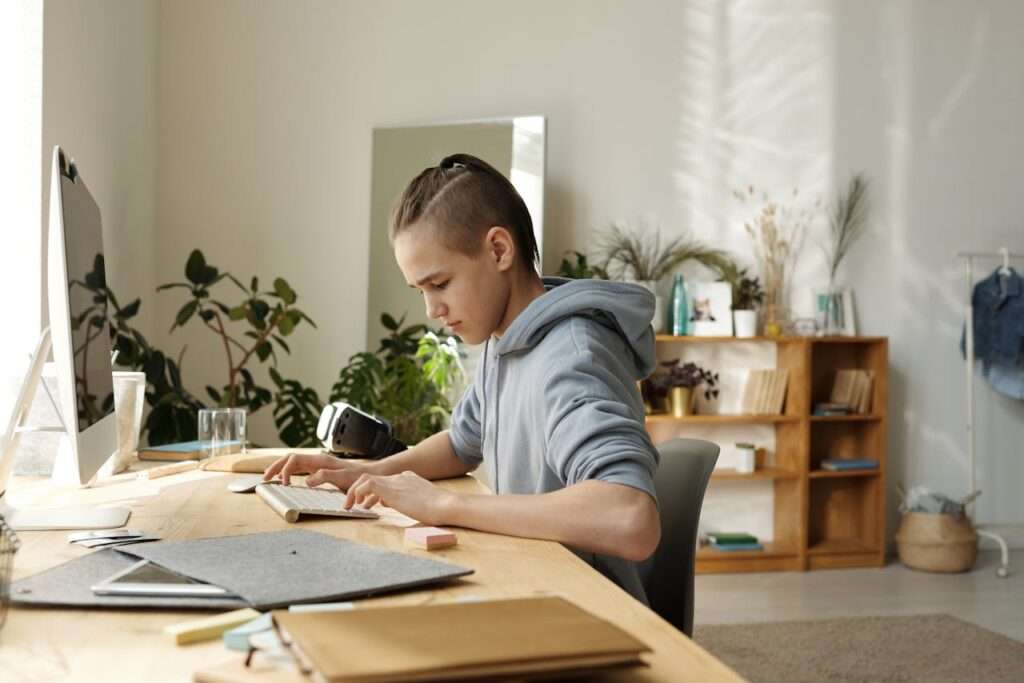
Social media can connect people, but spending too much time behind a screen can reduce opportunities for genuine face-to-face interaction.
A teenager might have hundreds of followers but still feel uncomfortable having a five-minute conversation in person.
The solution isn’t necessarily to completely eliminate social media.
Instead, create a healthier balance.
Spend time doing activities that require real interaction:
- Sports
- Clubs
- Volunteering
- School activities
- Competitions
- Group projects
- Hobbies
- Community events
These environments give teenagers something extremely valuable:
repeated exposure to different kinds of people.
And that exposure helps develop confidence.
Don’t just consume social experiences through a screen.
Go experience them.
4. Reduce Excessive Screen Time and Practice Real-World Interaction
Social media can connect people, but spending too much time behind a screen can reduce opportunities for genuine face-to-face interaction.
A teenager might have hundreds of followers but still feel uncomfortable having a five-minute conversation in person.
The solution isn’t necessarily to completely eliminate social media.
Instead, create a healthier balance.
Spend time doing activities that require real interaction:
- Sports
- Clubs
- Volunteering
- School activities
- Competitions
- Group projects
- Hobbies
- Community events
These environments give teenagers something extremely valuable:
repeated exposure to different kinds of people.
And that exposure helps develop confidence.
Don’t just consume social experiences through a screen.
Go experience them.
5. Practice Respect and Empathy

Being socially skilled isn’t about making everyone like you.
It’s about learning how to treat people well—even when you disagree with them.
Respect people’s opinions, boundaries, time, and differences.
You don’t have to agree with someone to treat them respectfully.
Empathy is equally important.
Before judging someone’s behavior, ask yourself:
“Could there be something going on that I don’t know about?”
This small change in perspective can dramatically improve your relationships.
And remember: being funny, confident, or charismatic means very little if you regularly make other people feel uncomfortable or disrespected.
Character is a social skill too.
6. Develop a Healthy Sense of Humor

A good sense of humor can make conversations easier and help people feel comfortable around you.
But being funny doesn’t mean constantly trying to become the center of attention.
The best humor is usually natural.
Share funny experiences. Laugh at yourself occasionally. Enjoy the moment.
Most importantly, don’t make someone else the target of every joke.
There’s a difference between making people laugh with you and making people laugh at someone else.
A socially intelligent person understands that difference.
You don’t need to be the funniest person in your friend group.
Sometimes simply being positive, relaxed, and able to laugh makes you much easier to connect with.
7. Change the Way You Talk to Yourself
Your internal dialogue influences how you behave around other people.
If you constantly tell yourself:
“I’m awkward.”
“Nobody likes me.”
“I’m terrible at conversations.”
“Everyone is judging me.”
you may enter social situations already expecting failure.
Instead, practice more realistic self-talk.
Instead of:
“I’m bad at talking to people.”
Try:
“I’m still learning how to communicate confidently.”
Instead of:
“Everyone is judging me.”
Try:
“Most people are focused on their own lives.”
This doesn’t mean pretending everything is perfect.
It means replacing harsh self-judgment with a more constructive perspective.
Talk to yourself like someone you’re trying to help—not someone you’re trying to destroy.

8. Become a Better Listener
Here’s a social skill that many people underestimate:
You don’t have to be an amazing talker to be a great conversationalist.
You need to learn how to listen.
When someone is speaking, don’t spend the entire time preparing your next response.
Actually listen.
Put your phone away.
Make natural eye contact.
Ask follow-up questions.
Remember details they previously mentioned.
Use their name occasionally.
Show genuine interest.
For example, if someone says:
“I had a really difficult exam today.”
Don’t immediately respond with:
“Same, mine was terrible.”
Instead, try:
“Really? What happened?”
That simple question keeps the conversation open.
People often remember how you made them feel more than the exact words you said.
And one of the easiest ways to make someone feel valued is to genuinely listen to them.
How Can an Introvert Improve Social Skills?
You don’t need to change your personality to become socially confident.
If you’re naturally introverted, you can still develop excellent communication skills.
Start with smaller interactions instead of forcing yourself into large social groups immediately.
Try:
One conversation → one new person → one social challenge at a time.
Focus on quality rather than quantity.
And don’t measure your progress by how much you talk.
Measure it by whether you are becoming more comfortable expressing yourself and understanding others.
What Parents Can Do to Help Teenagers Develop Social Skills
Parents play an important role in creating an environment where teenagers feel safe practicing communication.
Instead of constantly criticizing a teenager for being shy or quiet, encourage them to participate in activities that naturally involve interaction.
Parents can encourage:
- Sports and extracurricular activities
- Group projects
- Volunteering
- Hobbies
- Public speaking
- Family conversations
- Community activities
- Healthy friendships
Most importantly, teenagers need support rather than constant comparison.
Telling a teenager, “Why can’t you be more confident like him?” can increase insecurity.
Instead, recognize small improvements.
If they speak up in a group for the first time, acknowledge it.
If they introduce themselves to someone new, encourage them.
Confidence grows when people feel that they are capable of improving.
Final Thoughts: Social Skills Are Built, Not Given
You don’t suddenly wake up one morning with perfect social skills.
You develop them through hundreds of small interactions.
You make an awkward joke.
You start a conversation.
You listen to someone.
You make a mistake.
You try again.
You learn to handle rejection.
You become more comfortable expressing your opinion.
And slowly, social confidence becomes a skill rather than something you wait to feel.
If you’re a teenager struggling with conversations, friendships, or confidence, don’t assume that you’re simply “bad with people.”
You may simply need more practice.
Start small.
Talk to someone today.
Listen more carefully.
Put your phone away for a while.
Try something unfamiliar.
Forgive yourself when you make mistakes.
And remember:
You don’t need to become the loudest person in the room. You just need to become comfortable being yourself in it.
That’s what real social confidence looks like.