
Have you ever picked up your phone for a quick check—only to realize an hour has passed?
If so, you’re not alone. Learning how to stop phone addiction has become increasingly important in a world where constant connectivity is the norm.
While smartphones offer convenience and access to information, excessive use can negatively impact your focus, productivity, and overall well-being. Over time, this habit can reduce your ability to stay present and engaged in real life.
The good news is that with the right strategies, you can regain control.
In this article, you’ll learn six practical, research-backed strategies to reduce phone dependency and build healthier digital habits.

Table of Contents
Why Phone Addiction is a Serious Problem
Excessive smartphone use is more than just a distraction—it can significantly affect your mental, emotional, and physical health.
Here are some of the most common consequences:
- Decreased Focus: Constant interruptions weaken your attention span
- Increased Stress and Anxiety: Social comparison and information overload can elevate stress levels
- Sleep Disruption: Screen exposure, especially at night, interferes with sleep quality
- Physical Strain: Prolonged use can lead to eye strain, headaches, and fatigue
- Reduced Real-Life Engagement: Overuse limits meaningful, real-world interactions
Addressing phone addiction is essential for maintaining a balanced and productive lifestyle.
Signs You Are Addicted to Your Phone
You might be addicted to your phone if you :
- You check your phone without any reason
- You feel anxious when your phone is not around
- You spend hours scrolling social media
- You struggle to focus on important tasks
- You use your phone immediately after waking up
If you relate to these, it’s time to make a change. “If you want to stop phone addiction, you need to understand its triggers and learning how to stop phone addiction starts with small daily changes.”
6 Practical Ways to Stop Phone Addiction
1. Replace Screen Time with Intentional Activities
One of the most effective ways to reduce phone usage is to replace it with purposeful activities such as reading, exercising, or learning a new skill.
“If you want to stop phone addiction, you need to understand its triggers.”
Unlike passive scrolling, these activities engage your mind and contribute to personal growth. Even dedicating 15–20 minutes daily to such activities can make a noticeable difference.
2. Disable Non-Essential Notifications
Notifications are designed to capture your attention instantly.
By turning off non-essential alerts, you reduce unnecessary interruptions and regain control over when and how you use your phone. This simple adjustment can significantly improve focus and productivity.
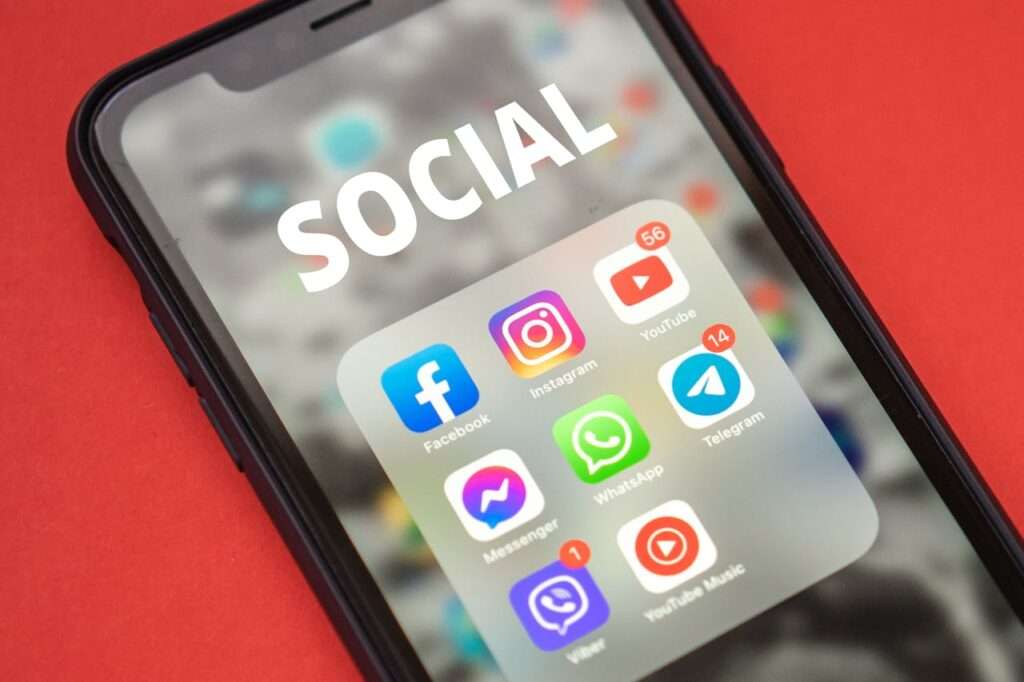
3. Create Physical Distance from Your Phone
Keeping your phone within reach increases the likelihood of frequent use.
Place your phone in another room while working or studying. Additionally, avoid checking your phone immediately after waking up. Starting your day without digital distractions can improve clarity and mental focus. It will help you to become mentally strong.
4. Develop Meaningful Hobbies
A lack of engaging activities often leads to increased screen time.
Pursue hobbies such as reading, writing, fitness, or creative arts. These activities not only reduce dependency on your phone but also enhance your overall well-being and sense of fulfillment.
A good hobby keeps your mind engaged and reduces your dependency on your phone.
5. Prioritize Offline Experiences
Completely eliminating phone use is unrealistic—but setting boundaries is essential.
Use built-in screen time tracking tools to monitor usage and set daily limits. Establish “no-phone” periods, especially before bedtime, to improve sleep quality and mental clarity.
6. Set Clear Screen Time Limits
You cannot eliminate phone usage completely—but you can control it.
Use screen time tracking apps to monitor your usage. Set daily limits for social media and stick to them.
Avoid using your phone before sleeping. Instead, build a healthy night routine like reading or journaling.

A Simple Daily Routine to Reduce Phone Usage
Incorporating small changes into your daily routine can lead to lasting results:
- Morning: Avoid phone use for the first 30 minutes
- Work Hours: Keep your phone on silent or out of reach
- Breaks: Use your phone intentionally, not habitually
- Evening: Spend time offline or with family
- Night: Avoid screens at least 30–60 minutes before sleep
Consistency is key—small habits compound over time.
Frequently Asked Questions
How much phone usage is considered healthy?
Moderate use (2–3 hours for productive purposes) is generally acceptable, but excessive recreational use should be limited.
Is phone addiction a real concern?
Yes. Excessive phone use can negatively affect mental health, productivity, and overall quality of life.
Can phone addiction be reversed?
Absolutely. With awareness, discipline, and consistent habit changes, it is possible to significantly reduce phone dependency.
Final Thoughts
“By following these strategies, you can finally stop phone addiction and regain control of your time.” Phone addiction is not just about screen time—it’s about how you spend your life.
Every moment spent mindlessly scrolling is time taken away from meaningful growth, relationships, and real-world experiences.
Start with small, intentional changes. Over time, these adjustments will help you regain control of your attention and build a healthier, more balanced lifestyle.
When you control your phone, you take control of your life.